Best Time to Visit East Africa is not a single date on a calendar. It shifts depending on whether you’re chasing the Great Migration, gorilla trekking, or a quiet beach stretch on Zanzibar. Uganda, Rwanda, Kenya, and Tanzania each follow slightly different rainfall patterns, so timing really does matter.
This month-by-month guide breaks down the Best Time to Visit East Africa for wildlife, weather, and value, so you can match your trip to the right season. It also looks at how conditions differ between Uganda, Rwanda, Kenya, and Tanzania, since the four countries don’t always move through the seasons in exactly the same way. By the end, you should have a clear sense of which months suit your specific travel goals.https://utb.go.ug/
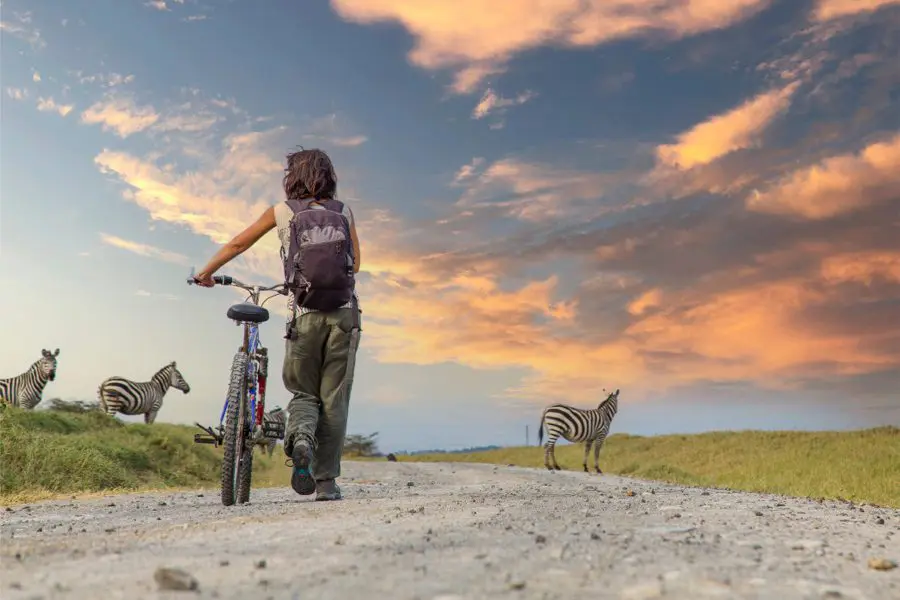
Table of Contents
What Determines the Best Time to Visit East Africa?
Three factors shape the Best Time to Visit East Africa for most travelers. Rainfall is the biggest one, since muddy roads and swollen rivers can affect both comfort and access. Wildlife movement is the second, particularly the wildebeest migration between the Serengeti and the Masai Mara.
The third factor is simply personal priority. Someone chasing river crossings needs different timing than someone booking gorilla trekking or a beach finish. Understanding these three factors is the real starting point for finding the Best Time to Visit East Africa for your specific trip.
How Rainfall Patterns Differ by Country
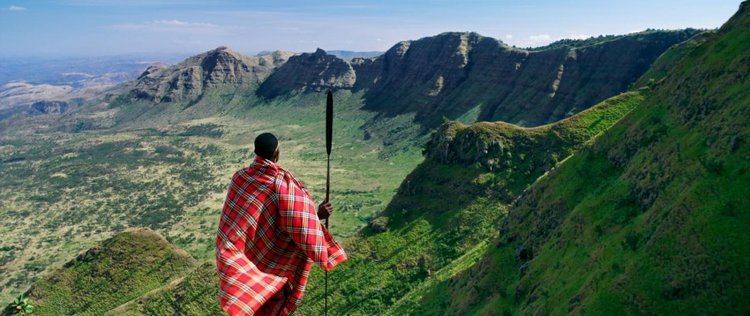
Uganda, Rwanda, Kenya, and Tanzania share a broadly similar climate, but small differences matter when narrowing down the Best Time to Visit East Africa.
Uganda sits near the equator and gets rain fairly evenly across the year, with slightly drier stretches in June to August and December to February. Gorilla trekking in Bwindi remains possible in most months, though trails firm up noticeably during those drier windows.
Rwanda follows a very similar pattern to Uganda, given its location just across the border in the Virunga region. Volcanoes National Park sees its clearest trekking conditions during the same two dry windows.
Kenya experiences more distinct long and short rains, which strongly influence when the wildebeest migration reaches the Masai Mara. Coastal areas like Diani follow a slightly different rhythm than the inland savannah parks.
Tanzania is large enough to contain real regional variation, from the drier northern Serengeti to the more humid Zanzibar archipelago. This is part of why the Best Time to Visit East Africa can differ depending on which specific Tanzanian region you’re asking about.
Best Time to Visit East Africa by Season
Broadly, the region splits into two dry seasons and two wetter seasons. The long dry season runs roughly June through September, and a short dry season runs December through February. These two windows are generally considered the Best Time to Visit East Africa for first-time safari travelers.
The long rains typically fall March through May, bringing the heaviest downpours of the year. The short rains arrive around October and November, usually lighter and more intermittent. Rain does not cancel a safari, but it does change road conditions, birdlife, and overall crowd levels. Checkout
Best Time to Visit East Africa: Month-by-Month Guide
Here is how each month typically shapes up across Uganda, Rwanda, Kenya, and Tanzania.
January
January sits within the short dry season, making it a strong pick for the Best Time to Visit East Africa. Skies are generally clear, and in southern Serengeti’s Ndutu area, wildebeest calving season is often underway. Gorilla trekking conditions in Uganda and Rwanda are typically favorable this month too.
February
February usually continues January’s dry, sunny pattern. It is often considered peak calving season in the southern Serengeti, drawing predators close behind the herds. This makes February one of the better months for combining gorillas with a Tanzania wildlife circuit.
March
March marks the transition into the long rains, so conditions can vary through the month. Early March often still offers decent trekking and game-viewing weather before the rains build fully. Birdlife tends to pick up noticeably as migratory species arrive ahead of the wet season. Prices typically start dropping here, rewarding flexible travelers.
April
April is generally the wettest month across much of East Africa. Some lodges close briefly, and certain roads become harder to navigate. It is usually the lowest-priced month, which can suit budget-focused travelers comfortable with rain. Some remote lodges close entirely, so booking well ahead helps confirm what’s actually open.
May
May often keeps some rainfall early on, easing by the later weeks. Landscapes are lush and green, and parks are noticeably quieter than in peak season. Many operators consider late May an underrated entry into the Best Time to Visit East Africa for value seekers.
June
June opens the long dry season and is a genuinely strong month across the region. The migration typically begins moving toward the western and northern Serengeti. Gorilla trekking conditions in Uganda and Rwanda are usually excellent this month.https://nabigagatoursandtravels.com/safari-experiences/gorilla-trekking-safaris/
July
July is one of the busiest months of the year, and for good reason. Wildebeest herds are often approaching or crossing the Grumeti and Mara Rivers. Dry trails and clear skies make July a dependable choice within the Best Time to Visit East Africa window.
August
August generally continues July’s dry, dramatic momentum. River crossings between the Serengeti and Masai Mara are frequently at their most active. This is usually peak season, so book accommodation and gorilla permits well in advance.
September
September typically remains dry, with herds often still concentrated in the Masai Mara. Cooler mornings and consistently clear skies make game drives comfortable. It remains one of the more reliable months within the Best Time to Visit East Africa calendar.
October
October sits at the edge of the dry season, with short rains sometimes arriving late in the month. The migration usually begins drifting back south toward the Serengeti. Crowds start thinning, which some travelers see as a real advantage. For many operators, October remains an underrated slice of the Best Time to Visit East Africa calendar.
November
November typically brings the short rains, though showers are often brief afternoon events rather than all-day downpours. Landscapes turn green again, and birdlife becomes especially active. This shoulder month can offer good value for travelers less focused on the migration. Green-season photography is a genuine highlight, with dramatic skies and vivid landscapes.
December
December generally opens the short dry season and coincides with holiday travel demand. Southern Serengeti plains often start filling with returning wildebeest herds ahead of calving season. It is a lively, popular month, so early booking is strongly recommended.
Best Time to Visit East Africa for the Great Migration
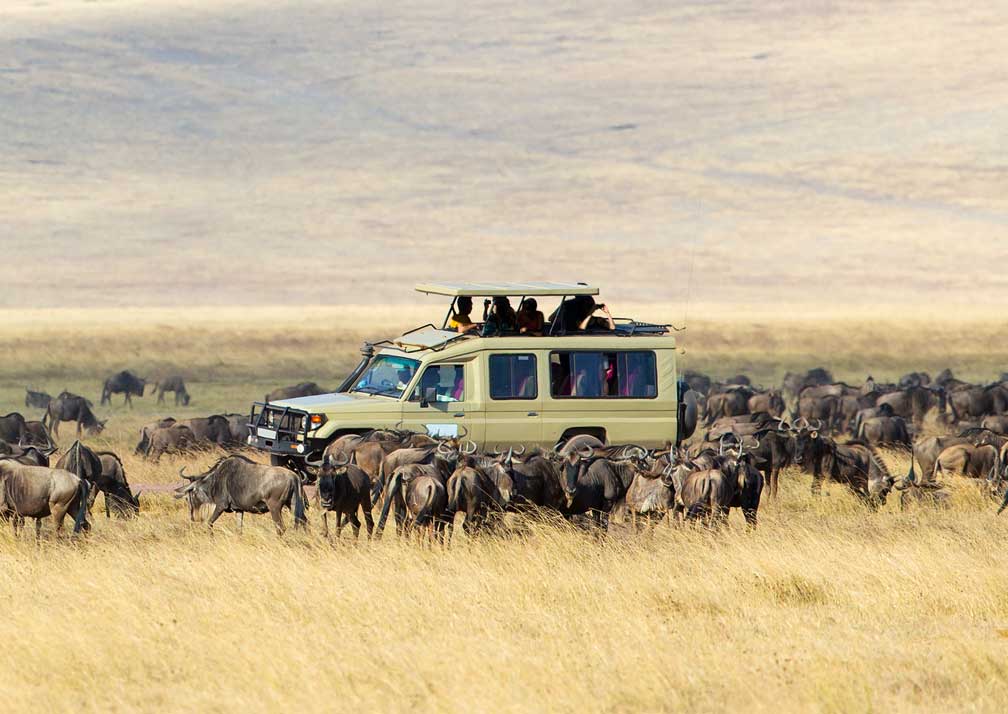
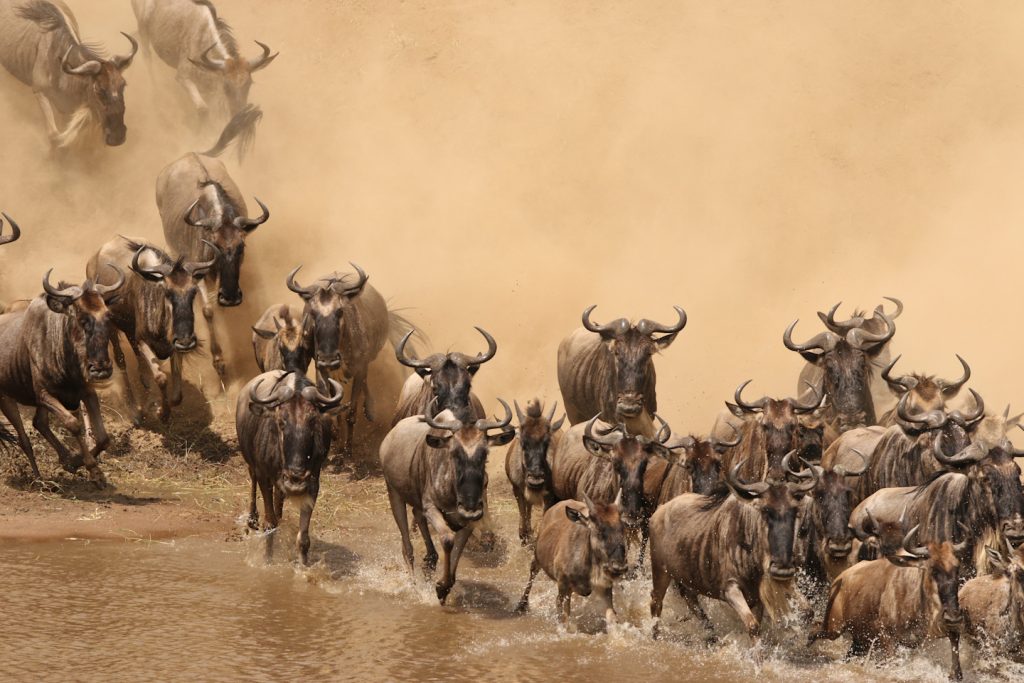
The wildebeest migration moves in a rough annual loop between Tanzania’s Serengeti and Kenya’s Masai Mara. For calving season, roughly January through March in the southern Serengeti is typically strongest. For dramatic river crossings, June through October is generally the Best Time to Visit East Africa for this specific spectacle.
Exact timing shifts every year based on rainfall, so no date is guaranteed. An experienced operator tracks herd movement closely and adjusts camp locations accordingly. Booking with some flexibility around your target month improves your odds significantly.
Shoulder months around the main crossing season can still be rewarding. Late May and early June often catch herds already gathering along the western corridor, before the biggest crowds arrive. Travelers less fixated on a specific river crossing sometimes find this quieter window is a smarter fit within the Best Time to Visit East Africa calendar Great Migration & Wildlife Spectacles
Best Time to Visit East Africa for Gorilla Trekking
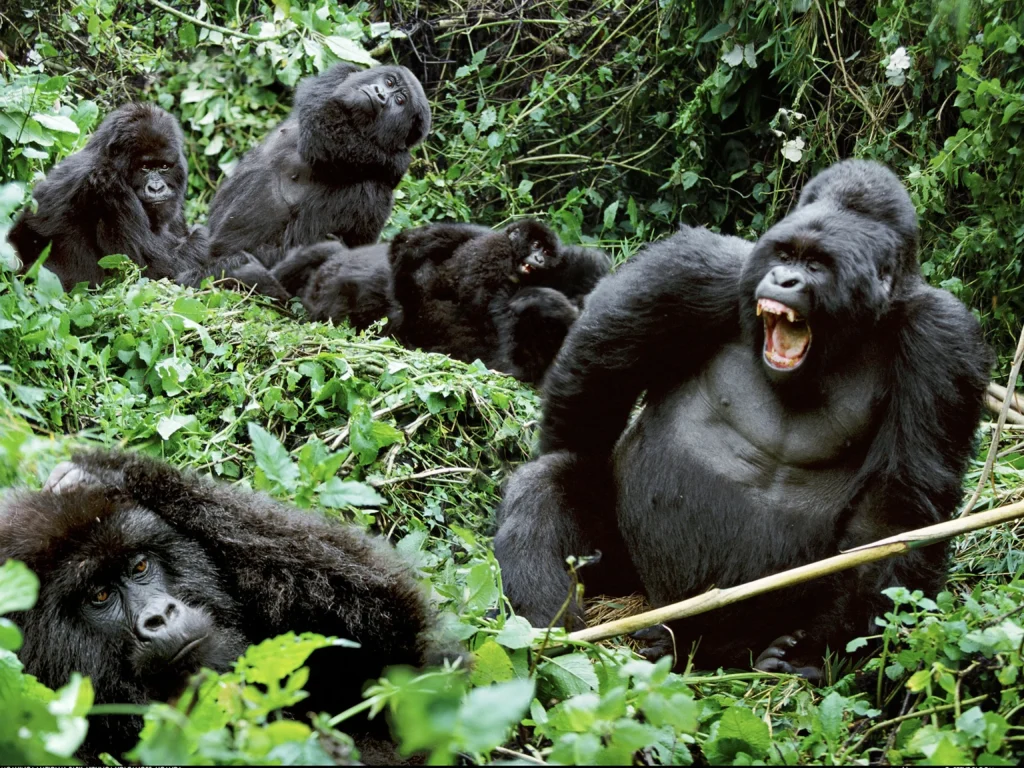
Gorilla trekking in Uganda and Rwanda is possible in any month, since both countries sit within rainforest zones. That said, the two dry windows, June through September and December through February, are generally the Best Time to Visit East Africa for easier trails. Wetter months bring muddier, more physically demanding hikes.
Permit availability matters as much as weather. Peak-season permits can sell out months ahead, regardless of how favorable the forecast looks. Booking early remains the single most reliable strategy, whichever season you choose.
Trekking during wetter months isn’t a dealbreaker for most fit travelers. Trails are simply muddier and hiking poles or gaiters become genuinely useful. Some trekkers actually prefer the quieter forest atmosphere outside the Best Time to Visit East Africa’s busiest trekking months.
https://nabigagatoursandtravels.com/activity-primates/
Best Time to Visit East Africa for a Beach Extension
Zanzibar and Kenya’s Diani Beach both follow a similar coastal pattern to the mainland. The driest, sunniest stretches generally run June through October and December through February. These windows are typically the Best Time to Visit East Africa if your itinerary ends with several beach days.
April and May bring heavier coastal rain, so many travelers avoid pairing a beach finish with those months. November’s short rains are usually lighter and easier to plan around. A knowledgeable operator can align your safari and beach dates so both segments fall within good weather.Safari, Adventure & Beach Experiences

What to Pack Depending on When You Travel
Packing changes noticeably depending on which slice of the Best Time to Visit East Africa calendar you’re traveling in.
Dry season (June–September, December–February):
- Lightweight, breathable layers for warm days and cool mornings
- A warm fleece or jacket for early game drives, since temperatures can drop before sunrise
- Dust-resistant camera gear, since roads are drier and dustier
Wet season (March–May, October–November):
- A quality rain jacket and waterproof daypack cover
- Waterproof or quick-dry hiking boots for muddier forest trails
- A dry bag or ziplock sleeves to protect electronics during sudden downpours
Regardless of season, sunscreen, insect repellent, and a reusable water bottle belong in every East Africa packing list. Neutral safari colors remain useful year-round, both for wildlife viewing and for staying comfortable in variable weather.
How to Choose the Best Time to Visit East Africa for You
With twelve very different months to consider, a few questions can simplify your decision.
Is the migration your main priority? Aim for June through October, or January through March for calving season. Is gorilla trekking central to your trip? June through September and December through February offer the easiest trails. Are you traveling on a tighter budget? April, May, and November typically bring lower rates and thinner crowds. Do you want to end with beach time? Avoid the April and May coastal rains where possible. Do you prefer fewer crowds over guaranteed dry weather? April, May, and November trade some rain for noticeably quieter parks and lower rates.
None of these trade-offs make one month objectively better than another. They simply mean the Best Time to Visit East Africa depends on what you’re willing to prioritize, whether that’s guaranteed sunshine, lower cost, or a quieter trail. A short conversation with a specialist who knows current conditions is usually more useful than any single fixed date on a calendar.
There is genuinely no wrong month to visit this region, and this is exactly why the Best Time to Visit East Africa question always comes back to personal priorities. Each season simply favors a different kind of trip. Matching your priorities to the calendar is the real key to finding the Best Time to Visit East Africa for you.
Frequently Asked Questions
Is East Africa a year-round destination? Yes, wildlife viewing and gorilla trekking are possible every month, though conditions vary.
What is the single busiest month? August is typically the busiest, driven by dry weather and dramatic Mara River crossings.
When are prices lowest? April and May generally offer the lowest rates across lodges and camps.
Can I see the migration and gorillas in one trip? Yes, many circuits combine Tanzania or Kenya wildlife viewing with Uganda or Rwanda gorilla trekking in a single itinerary.
Do I need to book far in advance for peak months? Yes, especially for gorilla permits and Mara River crossing season, both of which sell out early.
Does the Best Time to Visit East Africa differ by country? Yes, Uganda and Rwanda stay fairly consistent year-round, while Kenya and Tanzania show more seasonal contrast tied to the migration.
Plan Your Trip for the Best Time to Visit East Africa
Choosing the Best Time to Visit East Africa really comes down to matching the calendar to what you most want to see. Whether that’s a river crossing, a quiet gorilla trek, or a dry, sunny stretch on the coast, the right month makes a real difference to how your trip feels. None of the twelve months are wrong, but the right one for you depends entirely on your priorities.
Ready to lock in the Best Time to Visit East Africa for your own itinerary? Speak with Nabigaga Tours & Travel to build a trip timed around the migration, gorilla permits, or beach weather that matters most to you.
Plan your East Africa Safari Visit; www.nabigagatoursandtravels.com
To Request for your free quote Safari, Adventure & Beach Experiences